


#136: How to Stop Overeating: 9 Simple Strategies That Work
 von The Women Circle
560 Ansichten
6 Minuten gelesen
von The Women Circle
560 Ansichten
6 Minuten gelesen


How to Stop Overeating: 9 Simple Strategies That Work
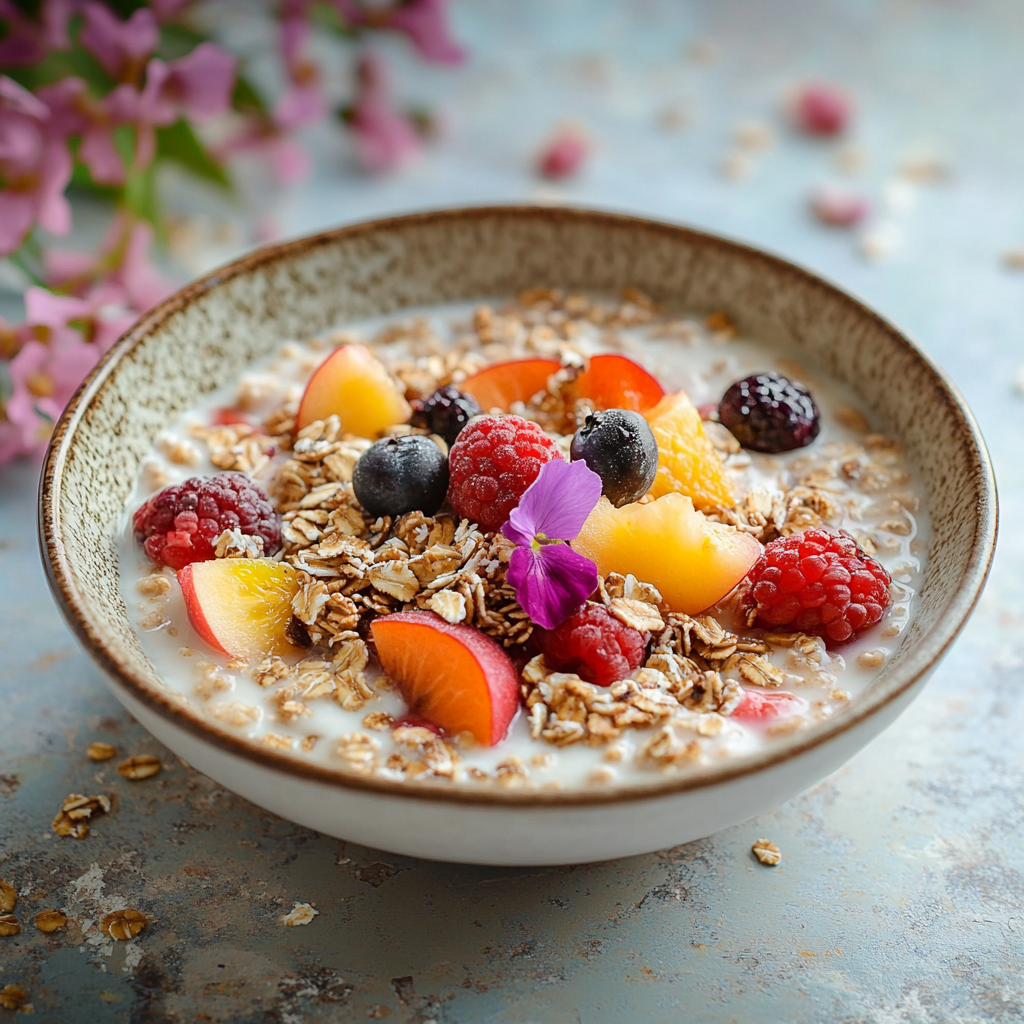
Ever found yourself scoffing down a whole packet even when you weren’t hungry, then feeling guilty afterwards? You’re not alone. Overeating can sneak up on any of us. The good news: a few simple habits can help you re-take control of your eating.
Here are 9 helpful ways to curb overeating and reconnect with your body’s hunger signals.
- Eat mindfully — ditch distractions
Eating while watching TV, scrolling through your phone, or working makes it easy to lose track of how much you’ve had.
Instead, try eating at the table, without screens, and pay attention: savour the texture, taste, even the smell of your food.
- Slow down — give your body time to catch up
Your brain needs time to register fullness. Eat slowly, chew thoroughly, and put down your fork between bites.
Pausing mid-meal can help you recognise when you’re truly full — and avoid overeating.
- Mind your portions — avoid eating from the bag or box
It’s easy to eat more when food stays in its original packaging. Instead, serve yourself a portion on a plate or bowl before you begin.
- Fill up on fibre and protein
Starting meals with fibre-rich, low-calorie foods — like vegetables, beans or salad — can help you feel full sooner and limit overeating.
Likewise, protein (e.g. eggs, beans, lean meat) promotes lasting fullness and reduces cravings.
- Eat regular meals — don’t skip just to save calories
Skipping breakfast or lunch can leave you ravenous later — making overindulgence more likely.
Stick to a consistent meal (or smart snack) schedule to keep hunger under control.
- Keep a food journal — notice patterns & triggers
Write down what you eat, when, and how you feel. It can help you spot emotional triggers, boredom or habitual overeating.
- Plan ahead & stock healthy choices
When hunger hits unexpectedly, you’re more likely to grab high-calorie snacks. Preparing meals/snacks in advance helps you stay on track. Also, make healthier options (fruits, nuts, veggies) easy to reach — and less-healthy ones harder to access.
- Be gentle on yourself — avoid “all or nothing” dieting
Strict dieting or totally forbidding treats often backfires. It’s better to eat mostly nutritious food while allowing occasional treats — moderation wins in the long run.
- Seek support — talk to someone or build healthy habits together
Overeating is often tied to emotional needs, stress or habits that developed over time. Sharing your journey with friends or family, or simply talking it out, can offer accountability and ease emotional eating.
Why it matters
Overeating occasionally isn’t a problem, but recurring patterns make it harder to stay healthy. By gradually introducing these simple changes, you build a more mindful and sustainable relationship with food.
If you slip up, don’t be harsh on yourself. Use it as a learning moment: what triggered it? What might you do differently next time?
Here’s to calmer meals, better awareness and more peace with food.
If you enjoy our Meno Health newsletter and the information we share on Instagram and LinkedIn, please consider sharing it with your friends and colleagues. That way, they can also learn more about menopause and menopause in the workplace.
If you would like to read the results of our Menopause at Work study, click here MenoSupport Suisse 2025 Study.
Simply send them this link to sign up for the newsletter.
.png)
.png)

