


#153: Training Programme Provides the Best Protection Against Osteoporosis
 von The Women Circle
197 Ansichten
3 Minuten gelesen
von The Women Circle
197 Ansichten
3 Minuten gelesen


Training Programme Provides the Best Protection Against Osteoporosis
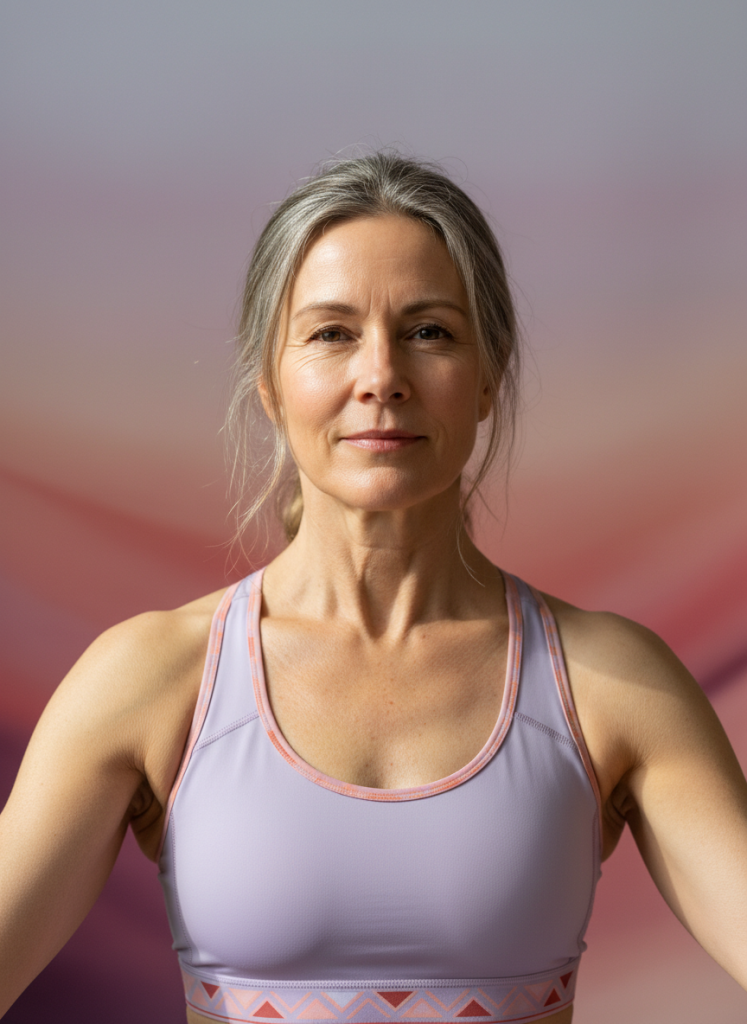
As we move through perimenopause and menopause, bone health becomes more important than ever. You may have heard that bones become weaker with age, but what many women don’t realise is just how much movement and training can influence this process.
The good news is simple and empowering: the right kind of exercise can play a major role in protecting your bones.
Why Bone Loss Speeds Up During Menopause
Oestrogen helps maintain bone density by supporting the balance between bone breakdown and bone formation. As levels decline during menopause, this balance shifts, and bones can begin to lose density more quickly.
Over time, this increases the risk of osteoporosis, a condition where bones become weaker and more fragile, making fractures more likely. This process can happen quietly, without obvious symptoms, which is why prevention is so important.
Why Exercise Is One of the Most Effective Tools
Structured training programmes can play a powerful role in maintaining bone strength and lowering the risk of osteoporosis. Bones are living tissue, and they respond positively to movement and gentle stress. When you engage in weight-bearing or resistance-based activities, your body is stimulated to build and maintain stronger, denser bone tissue.
In that sense, exercise is not just helpful; it becomes a key part of protecting your long-term bone health.
What Kind of Training Makes a Difference
Not all movement has the same effect on bone health. Gentle activities like walking are helpful, but bones respond best when they are challenged slightly.
Programmes that combine strength training, balance work, and impact-based movement tend to offer the most benefit. This might include resistance exercises, light jumping movements, or activities that improve coordination and stability.
Just as important as the type of exercise is consistency. Regular training over time is what allows the body to adapt and strengthen.
If you are unsure where to begin, consider starting with simple strength exercises and gradually increasing intensity over time. Seeking guidance from a professional can also help you train safely and effectively.
If you enjoy our Meno Health newsletter and the information we share on Instagram, TikTok and LinkedIn, please consider sharing it with your friends and colleagues. That way, they can also learn more about menopause and menopause in the workplace.
If you would like to read the results of our Menopause at Work study, click here MenoSupport Suisse 2025 Study.
Simply send them this link to sign up for the newsletter.
.png)
.png)

