


#178: Menopause lasts one day. Postmenopause lasts decades.
 von The Women Circle
39 Ansichten
7 Minuten gelesen
von The Women Circle
39 Ansichten
7 Minuten gelesen


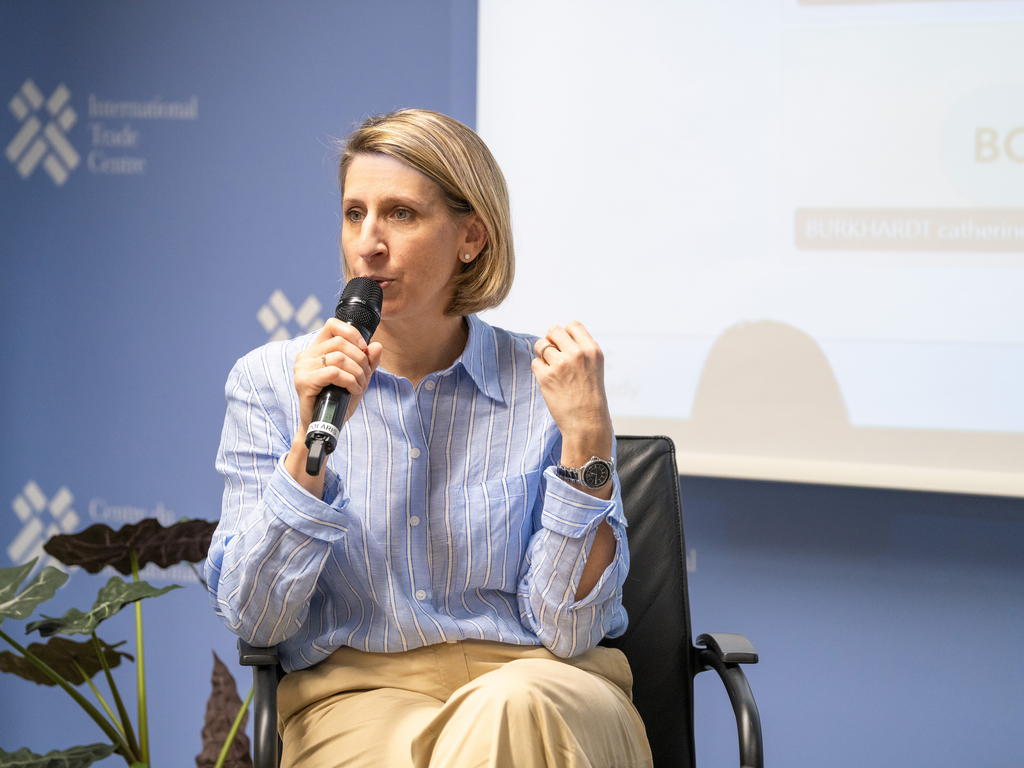
‘Menopause lasts one day’ is a provocative phrase, but it highlights an important distinction. Menopause is not the whole life stage. It is the date of your final spontaneous period, confirmed retrospectively after twelve months without another period. The years afterwards are postmenopause. For many women, this phase lasts several decades. The goal is therefore not simply to endure symptoms until they pass, but to shape your long-term health with informed, personal choices.
What do menopause and postmenopause mean?
Perimenopause surrounds the final period. Hormones fluctuate, cycles change and symptoms may begin, disappear or shift. Menopause is the final period itself; postmenopause is the life stage that follows once periods have permanently stopped.
These terms are more than labels. Knowing roughly where you are can help you interpret symptoms, prepare questions and plan prevention. After surgery, while using hormonal contraception or with early menopause, staging may be more difficult and should be discussed with a clinician.
What may persist or emerge afterwards?
Hot flushes and night sweats become less frequent for many women, yet they can continue for years. Poor sleep, joint pain or low mood often have several causes. Not every change after 50 is hormonal, and not everything is simply ageing. New, severe or persistent symptoms deserve medical assessment.
Dryness, burning, painful sex, urinary urgency or recurrent urinary infections may be part of genitourinary syndrome of menopause. Unlike hot flushes, these symptoms often do not improve without treatment. Hormonal and non-hormonal options are available. The right choice depends on your symptoms, medical history and preferences.
Your long-term health plan in five areas
Postmenopause does not mean constantly searching for disease. It is a useful point to understand your baseline and prioritise risks with a healthcare professional:
- Heart and metabolism: review blood pressure, cholesterol, blood glucose, smoking, activity and family history regularly.
- Bones and muscles: assess fracture risk, train strength and balance, and ask whether a bone-density scan is appropriate.
- Bladder, vulva and vagina: mention dryness, pain, bleeding or repeated infections. You do not have to tolerate them.
- Prevention: plan cancer screening, vaccinations and other checks according to your age, country and personal risk.
- Sleep, mood and daily function: record what is changing and seek help when quality of life or function is clearly affected.
What can you influence each day?
Physical activity cannot prevent everything, but it supports the heart, bones, muscles, balance and wellbeing. Combine aerobic movement with regular strength work, building up gradually if you are returning after a break or have a health condition. Choose a varied diet with vegetables, pulses, wholegrains, enough protein and calcium-rich foods. Vitamin D or other supplements should meet an individual need, not a marketing promise.
Sleep, alcohol, smoking and stress also belong in your plan. Choose one realistic change instead of starting five rules at once. A ten-minute walk, two scheduled strength sessions or a booked health appointment are small actions with practical value.
Hormones: neither compulsory nor taboo
Systemic menopausal hormone therapy can effectively relieve troublesome hot flushes and other suitable symptoms, and may protect bone in selected women. It is not a universal rejuvenation treatment or routine heart-protection strategy. Benefits and risks depend on factors including age, time since menopause, symptoms, whether you have a uterus, medical history and formulation.
There is no single treatment duration for everyone. Review benefits, risks and alternatives regularly. Local treatment may be considered for symptoms affecting the vulva, vagina or bladder. After breast cancer or with another complex condition, decisions should be coordinated with the specialists involved in your care.
When should you seek medical help?
Any bleeding after twelve months without a period needs prompt medical assessment. Arrange advice for persistent vaginal dryness, painful sex, recurrent urinary infections, new severe symptoms, unexplained weight loss, falls or fractures.
What does the research say?
The US Study of Women’s Health Across the Nation, SWAN, enrolled 3,302 women from several racial and ethnic groups and followed them from midlife. It found that some changes were more strongly linked to the menopause transition, including accelerated bone loss and certain changes in blood lipids. Blood pressure, body weight and many symptoms are also strongly shaped by ageing, health and life circumstances.
SWAN is valuable because it used repeated measures over many years. It is still an observational study from seven US regions, included few women with early menopause and cannot prove every causal pathway. The careful conclusion is that postmenopause is a long health phase, not a predetermined medical decline. Prevention works best when it is personalised.
Further reading and sources
- The Women Circle #068: important menopause terms
- Dr Mary Claire Haver: menopause is one day, postmenopause is decades
- PMC: the SWAN study of women’s health at midlife
- NHS: menopause and perimenopause
Your step for this week
| Create a one-page postmenopause check. Write one question under five headings: heart, bones, genitourinary health, prevention, and sleep and mood. Add your medicines, family history and current symptoms. Take the page to your next appointment and agree what matters now and what can wait. |
|---|
Menopause is a milestone. Postmenopause is a long life stage that you can shape with knowledge, appropriate prevention and informed choices.
.png)
.png)

