


#172: The best diet for pain-free joints? What the evidence really says
 von The Women Circle
3 Ansichten
7 Minuten gelesen
von The Women Circle
3 Ansichten
7 Minuten gelesen


Your fingers feel stiff in the morning, your knees complain after sitting, or your hip twinges on the stairs. During the menopause, many women ask the same question: can changing what I eat make a difference?
The short answer is yes: food can support joint health, but no single food or diet can guarantee pain-free joints. The most convincing approach is a lasting, plant-rich pattern based mainly on minimally processed foods. The whole pattern matters more than any supposed ‘superfood’.
What does a joint-friendly diet mean?
It does not mean ‘rebuilding’ cartilage with a particular food. A balanced diet may help in three broader ways: providing nutrients for muscles, bones and connective tissue; reducing the inflammatory potential of the overall diet; and supporting a stable weight when weight management is medically appropriate.
Joint pain is commonly reported during the menopause. Falling oestrogen may influence inflammation, cartilage and pain perception. However, not every pain is hormonal. Osteoarthritis, rheumatoid arthritis, gout, injuries and other causes need different assessment and treatment.
Why can food affect your joints?
1. Inflammatory processes. Vegetables, fruit, pulses, wholegrains, nuts and good-quality plant oils provide fibre and plant compounds. Together, they create a less inflammatory overall eating pattern. That is not the same as claiming one food works like a painkiller.
2. Load on the joints. Additional body weight increases the mechanical load on the knees and hips in particular. If weight loss is medically appropriate for you, gradual, nourishing changes may reduce that load. Extreme diets are neither necessary nor sustainable.
3. Muscles and bones. Enough protein, energy, calcium and vitamin D helps maintain muscle and bone health. Strong muscles support and stabilise your joints. Do not take supplements ‘just in case’; ask for an individual assessment if you are concerned.
What does a joint-friendly plate look like?
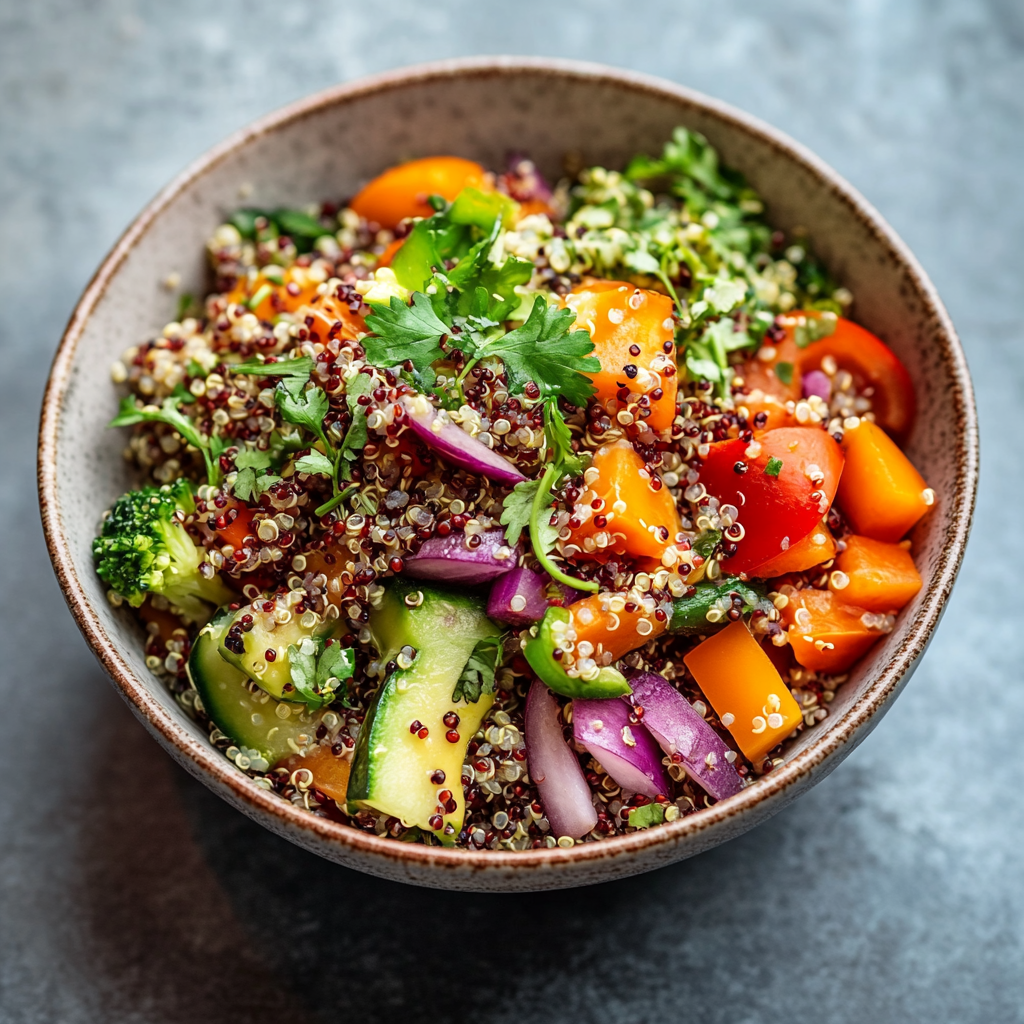
- Half a plate of colourful vegetables and fruit: for example berries or cherries, leafy greens, broccoli, leeks, onions and peppers.
- One quarter high-fibre carbohydrate: wholegrains, oats, barley, millet, potatoes or pulses.
- One quarter protein: lentils, beans, chickpeas, tofu, eggs, fish, lean poultry or a dairy food you tolerate well.
- A small portion of healthy fat: olive or rapeseed oil, nuts and seeds; oily fish regularly if you eat it.
- Water or unsweetened tea as your usual drink.
You do not need to remove gluten, dairy foods or nightshade vegetables as a blanket rule. A diagnosed intolerance or medical condition is different. Without a medical reason, long ‘do not eat’ lists often add stress and make your diet unnecessarily restrictive.
What is worth eating less often?
Focus on reducing ultra-processed foods, sugary drinks, very frequent sweets, processed meat and high-alcohol habits. This is not about perfection. When most meals are built from simple, minimally processed foods, there is still room for pleasure.
Three steps you can take today
- Add before you ban: put two differently coloured vegetables or fruits into one main meal.
- Swap one ultra-processed meal each week for roasted vegetables, lentil soup or a bean salad.
- Cook one base food in a double batch: potatoes, wholegrains or pulses will save time the next day.
If you want to observe change, briefly record pain, morning stiffness, swelling, movement and sleep for two weeks. This is not a diagnostic test, but it can give you useful information to discuss with your GP or rheumatologist.
When should joint pain be checked?
Please seek medical advice if:
- a joint suddenly becomes very painful, red, hot or clearly swollen;
- you also have a fever, feel markedly unwell or have had an injury;
- you can hardly put weight on the joint or move it;
- the symptoms are new, worsening or continue for several weeks;
- several joints are affected or morning stiffness is pronounced.
Food is one supportive pillar. If you have osteoarthritis, inflammatory arthritis, gout or an injury, it does not replace diagnosis, therapeutic movement, medication or any other treatment you may need.
What does the research say?
A systematic review examined six cohort studies of adults aged 45 and over with joint pain, stiffness or symptomatic osteoarthritis. A ‘Prudent’ or Mediterranean-style pattern was associated with slower symptom progression, while a Western dietary pattern was associated with greater progression. Higher fibre intake was sometimes linked with less worsening of pain.
The limitation matters: the evidence is small and mainly observational. It shows associations, but does not prove that a particular diet prevents or removes pain. A realistic promise is more honest: you can support your joints, but you do not have to try to ‘eat your pain away’.
Further reading, starting point and scientific source
- The Women Circle: joint pain during the menopause
- KERNgesund podcast: using food to support painful joints (in German)
- PubMed Central: dietary patterns and symptomatic osteoarthritis – systematic review
Your step for this week
| Take action: For seven days, choose one main meal and add two plant colours, a high-fibre carbohydrate and a good source of protein. Starting small still counts. |
Your diet does not need to be perfect to support you. Every balanced plate is a kind step for your joints and for your whole body.
.png)
.png)
